Mini-Splits Explained: Costs, Benefits, and Use Cases
If you’ve never heard of mini-splits before, don’t worry—you’re not alone. They’re one of the smartest, most efficient heating and cooling systems you can install. Whether you’re struggling with uneven temperatures or looking to save on energy costs, a mini-split system could be your new best friend.
Let’s break it down together, starting with the basics.
What Are Mini-Splits?
At their core, Mini-Splits (also called ductless Mini-Splits) are heating and cooling systems that don’t rely on traditional ductwork to move air through your home. Think of them as the modern cousin of your old furnace or central AC—sleek, efficient, and easy to install.
A typical mini-split system has two main parts:
1-The Indoor Unit:
This is the part you see mounted on a wall or ceiling. It distributes warm or cool air into the room.
2-The Outdoor Unit:
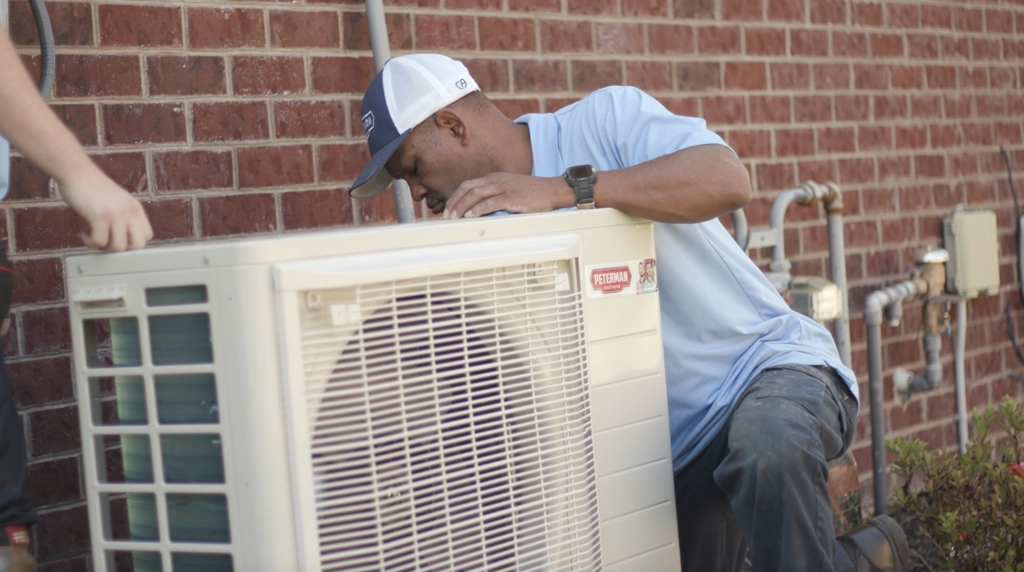
Installed outside your home, it houses the compressor and condenser.
A small conduit connects these units, carrying power, refrigerant, and drainage lines. It’s a neat, compact solution that skips all the bulky ductwork.
How Do Mini-Splits Work?
Mini-splits use the same basic principles as traditional air conditioners or heat pumps. They transfer heat instead of generating it, making them incredibly efficient. Here’s a simple breakdown:
In cooling mode, the outdoor unit pulls heat from inside your home and releases it outside.
In heating mode, the process reverses. The system pulls heat from outside (even in cold weather!) and pumps it indoors.
It’s like magic but backed by solid science.
Why Do People Love Mini-Splits?
Why all the hype though? Mini-splits solve a surprising number of problems that traditional HVAC systems can’t.
Zoning Comfort
Ever notice how some rooms in your house are too hot while others feel like Antarctica? Mini-splits let you control the temperature of individual rooms or zones. That means you can keep the living room cozy without wasting energy on the guest bedroom nobody’s using.
No Ducts, No Problem
We get it, ductwork can be a pain. It’s expensive to install, prone to leaks, and takes up a ton of space. Mini-splits bypass all of that. A ductless system is a game-changer if you’re renovating an older home or adding to your house.
Energy Efficiency
Mini-Splits are incredibly efficient. According to the Department of Energy, they can cut heating costs by up to 60% compared to traditional systems. Why? No duct losses and smart zoning.
Quiet Operation
You’ll appreciate this if you’ve ever been jolted awake by a noisy HVAC system. Mini-splits are whisper-quiet—indoors and out.
Heating AND Cooling
Need heat in the winter and AC in the summer? Mini-splits do both. It’s a one-stop shop for year-round comfort.
Use Cases: Where Do Mini-Splits Work Best?
While they’re versatile enough for almost any home, in these scenarios, they are king.
Room Additions or Renovations
Adding a sunroom, garage, or home office? Mini-splits are perfect for heating and cooling spaces that are not connected to your existing HVAC system.
Older Homes
Got an old house with no ductwork? Mini-splits let you enjoy modern climate control without tearing up walls or ceilings.
Uneven Temperatures
If you’re battling hot upstairs bedrooms or a chilly basement, mini-splits can fix those pesky hot and cold spots.
Energy-Conscious Homeowners
A mini-split is an eco-friendly choice to lower your carbon footprint (and energy bills).
Are Mini-Splits Right for Your Whole House?
Can mini-splits replace your entire HVAC system? The answer is, “It depends.”
As a Supplement
Mini-splits work great alongside traditional systems. If you’re only struggling with a few problem areas, adding a mini-split can save you from overhauling your entire HVAC setup.
As a Standalone System
Yes, you can use mini-splits as your main heating and cooling system—mostly in smaller homes or open-concept spaces. Just remember, larger homes might need multiple units for full coverage.
The Cost of Mini-Splits: Worth the Investment?
Mini-splits aren’t the cheapest option upfront but are a solid investment.
Initial Mini-Split Installation Costs
On average, installing a single-zone mini-split costs between $2,000 and $8,000. Depending on how many indoor units you need, multi-zone systems (for larger homes) can cost more.
Operating Costs
This is where mini-splits shine. They’re far more energy-efficient than traditional systems, which means lower utility bills. Plus, many models qualify for tax credits or rebates, which can offset the initial cost.
Maintenance
Mini-splits are really low-maintenance. Regular filter cleaning and occasional professional servicing keep them running smoothly.
Mini-Splits vs. Traditional Systems: How Do They Stack Up?
Here’s a quick comparison to help you decide.
Feature |
Mini-Splits |
Traditional HVAC Systems |
| Installation | Quick and ductless | Requires extensive ductwork |
| Energy Efficiency | High (especially for zoning) | Moderate |
| Noise Levels | Quiet | Can be noisy |
| Cost | $2,000 to $14,000+ | $5,000 to $20,000+ |
| Aesthetics | Visible indoor units | Hidden ducts and vents |
Common Questions About Mini-Splits
Let’s tackle some FAQs.
Do Mini-Splits Work in Colder Climates?
Absolutely. Modern mini-splits can operate efficiently even when outdoor temperatures drop below freezing. Some models are rated for temperatures as low as -13°F.
Are Mini-Splits Hard to Maintain?
Not at all. Cleaning the filters every month or two and scheduling professional maintenance once a year is usually enough.
Can I Install a Mini-Split Myself?
While it’s possible, professional installation is highly recommended. Improper setup can affect performance and void your warranty.
Now That You’re Informed Are Mini-Splits Still Right for You?
Mini-Splits aren’t for everyone, but they’re a nice solution for many homeowners. Whether you’re looking to tackle uneven temperatures, reduce your energy bills, or upgrade your home’s comfort, mini-splits deliver.
If you’re still on the fence, why not get a professional consultation? Most HVAC companies, including us, offer free estimates and can help you decide if a mini-split system is the right fit for your home.
In the end, it’s all about finding what works best for you and your family. After all, home is where the comfort is.