Your furnace may be working just fine today. So, why schedule a tune-up?
Because the best time to find a small problem is before it leaves you without heat. Routine maintenance helps your furnace run efficiently, catches signs of wear, and gives you a clearer picture of its condition before winter puts it to work.
Here’s what a professional furnace tune-up includes and why each check matters.
Why get a furnace tune-up if everything is working?
A furnace can heat your home while still developing problems you may not notice. Components wear down, electrical connections can loosen, and dust can build up as the system runs. Some issues only become apparent when the furnace has to work harder during cold weather.
An annual tune-up gives a trained professional the opportunity to inspect, clean, and test the system before the heating season. It can help:
• Catch potential problems before they become more expensive repairs.
• Maintain efficient operation and consistent heating.
• Identify safety concerns, including issues with combustion or venting.
• Reduce the risk of an unexpected breakdown.
• Support the long-term care of your heating equipment.
Maintenance cannot prevent every failure or guarantee that your furnace will last a certain number of years. But it can help you make informed decisions and avoid letting small issues go unnoticed.
What’s included in a furnace tune-up?
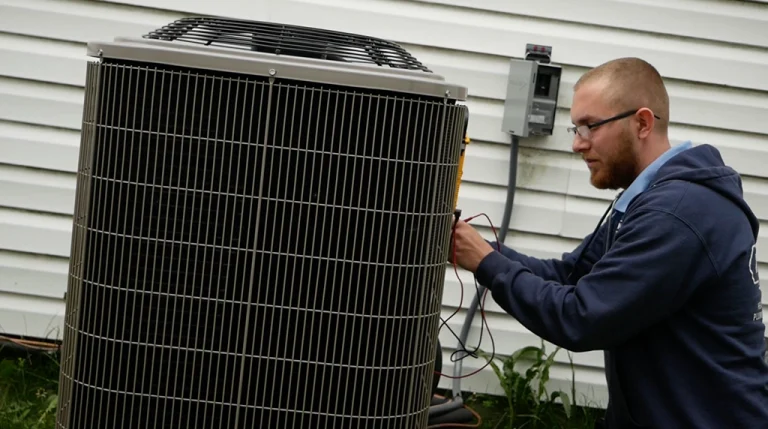
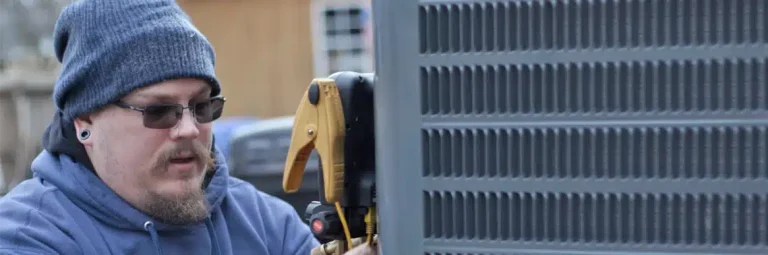
A thorough tune-up is more than changing a filter or giving the equipment a quick look. It includes checks of the furnace’s safety controls, electrical components, airflow, combustion, and heating performance.
The exact steps depend on your system’s age, model, and whether it is gas or electric. The following 19 checks are part of our gas furnace tune-up process.
Gas furnace checklist
1. Clean the furnace cabinet. Remove accumulated dust and debris from accessible areas and inspect the equipment’s general condition.
2. Evaluate the heat exchanger. Check for visible cracks, corrosion, rust, erosion, or other abnormalities that may indicate a safety or performance concern.
3. Take a carbon monoxide reading. Test for carbon monoxide as part of the furnace’s safety evaluation.
4. Clean the burners. Inspect and clean the burners to support proper combustion and operation.
5. Clean and test the pilot or flame sensor. Check the flame-sensing components and take readings as appropriate for the system.
6. Check the ignitor. Test the ignition component and its readings to confirm it is operating properly.
7. Measure gas pressure. Check incoming and outgoing gas pressure against the manufacturer’s specifications.
8. Check the inducer motor. Measure its electrical amp draw and compare it with the rated operating range.
9. Check the blower motor. Measure the blower motor’s amp draw to help identify signs of electrical or mechanical strain.
10. Test the fan capacitor. Check the capacitor’s reading and condition where the system uses one.
11. Inspect the blower wheel. Look for dirt buildup, damage, or other conditions that could affect airflow.
12. Inspect safety controls and limits. Confirm the furnace’s protective controls are functioning as intended.
13. Take high- and low-voltage readings. Check the electrical supply and control voltage for proper operation.
14. Test pressure switches. Verify that the pressure switches operate correctly as part of the furnace’s safety system.
15. Inspect the wiring. Look for loose connections, damage, or signs of overheating.
16. Check the condensate drain and pump. For systems equipped with condensate drainage, confirm the drain and pump are operational and free of obstructions.
Air temperature checks
17. Record the return air temperature. Measure the temperature of the air entering the furnace.
18. Record the supply air temperature. Measure the temperature of the air leaving the furnace.
19. Calculate the temperature rise. Compare the difference between supply and return temperatures with the manufacturer’s recommended range to help evaluate heating performance.
What about an electric furnace?
Electric furnaces do not have gas burners or heat exchangers, so some of the checks above do not apply. A professional tune-up instead focuses on the electrical heating components and the system’s overall operation.
Additional electric furnace checks include:
• Measure heater kilowatt output. Check the heating elements’ power output.
• Record heater amp draw. Measure the electrical current used by the heating elements.
• Inspect the wiring. Look for loose connections, damage, or signs of overheating.
Why the safety checks matter
A furnace does more than keep your home comfortable. It also needs to operate safely. Gas furnaces produce combustion gases that must be properly vented, and a damaged heat exchanger or other combustion-related problem can create serious concerns.
That is why a professional tune-up includes safety testing rather than simply checking whether warm air comes out of the vents. If a technician finds a concern, they should explain what they found, what it means, and what options you have.
A tune-up is not a substitute for working carbon monoxide alarms. Keep CO alarms installed and maintained according to their manufacturer’s instructions.
How often should you schedule a furnace tune-up?
Most homeowners should schedule professional furnace maintenance once a year, ideally before the heating season begins. Your furnace’s manufacturer may have specific maintenance requirements, so follow those recommendations as well.
If your furnace is making unusual noises, struggling to heat your home, cycling frequently, or showing other warning signs, do not wait for your annual appointment. Schedule a repair visit so the problem can be diagnosed.
Is a furnace tune-up included with the Protection Club?
Yes. Peterman Protection Club members receive an annual furnace tune-up as part of their membership benefits, along with other home maintenance and service savings.
The goal is to make routine care easier to keep up with, so you can stay ahead of maintenance instead of waiting for something to go wrong.
Learn more about the Peterman Protection Club
Keep your furnace ready for winter
You should be able to count on your heat when temperatures drop. A furnace tune-up is a practical way to check your system’s condition, address potential concerns, and prepare for the months ahead.
If you’re ready to schedule maintenance, Peterman Brothers can help you take the next step.