What a Duct Cleaning Is
Duct cleaning, also called air duct cleaning, means removing dust, debris, and buildup from the ducts in your home that carry heated and cooled air.
A good HVAC duct cleaning job focuses on:
- Removing buildup inside duct runs
- Cleaning registers/grilles (where appropriate)
- Reducing loose debris that can recirculate
What Duct Cleaning Can and Can’t Do
Here’s what duct cleaning can help with
- Removes loose dust and debris inside ductwork
- Helps after construction dust and remodels
- May reduce musty odors when the source is in the duct system
- Can improve airflow only if buildup or debris is restricting a duct run
What duct cleaning won’t fix on its own
- Poor airflow from duct design, undersized ducts, or blower issues
- High dust from leaky returns, poor filtration, or open gaps in the home
- Most allergy problems (allergies usually need filtration + humidity control + source control)
- High energy bills (duct cleaning is rarely a direct “bill reduction” solution)
Who Benefits Most From Duct Cleaning
1) After Remodeling or Construction
Renovations can leave drywall dust and fine debris sitting in duct runs, which can keep recirculating long after the project ends.
Common clue: dust returns quickly even after cleaning, especially near supply vents.
2) Visible Buildup Near Vents
If there’s heavy buildup right behind registers, that’s one of the clearest signs the ductwork has collected more than normal household dust.
Quick check: remove a vent cover and look inside with a flashlight. Thick buildup is hard to miss.
3) Pest Activity in the Duct System
When pests get into ductwork, cleaning is often part of getting the home back to normal (and removing what you don’t want circulating).
Most common clue: nesting material, droppings, or a specific “animal” smell tied to one area.
4) Odors that get stronger when the HVAC runs
Duct cleaning won’t solve every smell, but it can help when the duct system is holding onto odor sources or debris.
Tell-tale sign: musty or stale smells ramp up when the system turns on and fade when it’s off.
5) Suspected Blockage in a Duct Run
It’s less common, but debris or buildup can restrict a branch line, leaving one area underserved.
What you’ll notice: one or two rooms consistently have weak airflow after basic causes (filters/closed vents) have been ruled out.
When Duct Cleaning Usually Isn’t Worth It
1) If you want it to fix allergies
If allergies are your main concern, the bigger fixes usually are:
- Better filtration with the right filter type and regular changes
- Sealing return leaks since returns can pull dusty air from basements or attics
- Controlling humidity because too much causes musty smells and too little causes irritation
- Cleaning the coil and drain system if it’s causing odors or moisture problems
Duct cleaning might help sometimes, but it’s rarely the best first step.
2) If the real problem is comfort or airflow
Uneven temperatures, weak airflow, and humidity problems usually come from duct leaks, design, system size, or airflow balance, not dirty ducts.
3) If no one can explain why you need it
If there’s no clear reason related to your home, like photos, visible buildup, or a recurring problem, that’s a warning sign.
If You Skip Duct Cleaning, What Should You Do Instead?
If you want cleaner air or less dust, start with the fixes that usually help more:
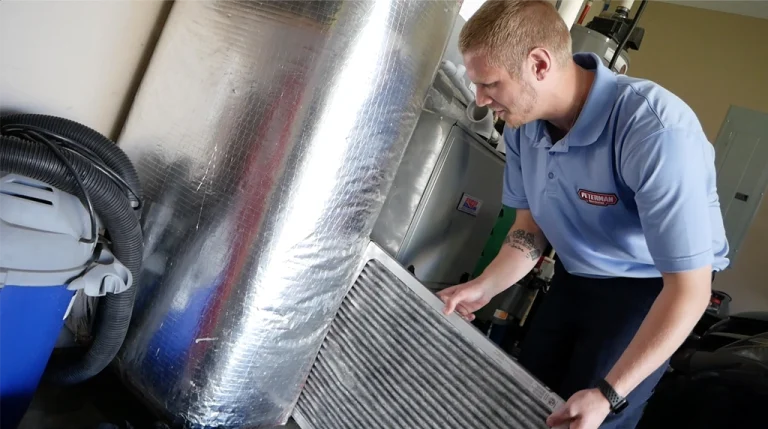
- Use the right air filter and change it regularly
- Seal return leaks since returns can pull dusty air into your system
- Fix airflow balance because blocked returns or vents cause circulation problems
- Manage humidity to avoid dry winter air or sticky summer air
- Consider whole-home air purifiers if filtration alone doesn’t do the job
These steps often make a bigger difference than duct cleaning by itself.
Bottom Line
Duct cleaning helps most after remodeling, when there’s visible debris, pest problems, or odors linked to the ducts. It usually won’t fix allergies, uneven temperatures, or high energy bills on its own. If you’re not sure, start with filtration, checking for return leaks, and controlling humidity.