In our digital age, almost every household and workplace relies heavily on electronic devices like computers, TVs, smart appliances, and entertainment systems. These devices are expensive and vulnerable to damage from unexpected electrical surges caused by lightning, power outages, or issues within the power grid. This makes protecting them not just a convenience but a necessity.
In this post, we’ll explore why surge protection is crucial, how surge protectors work to shield your electronics, and why opting for a whole home surge protector is a wise decision. We’ll also guide you through the costs involved, the installation process, and what steps to take if you decide to install a whole home surge protection system. Ensuring your electronics are protected is an investment in prolonging their lifespan and maintaining your peace of mind.
What is a Surge Protector?
A surge protector is a device designed to protect electronic equipment from sudden spikes in voltage. These voltage spikes can severely damage or even destroy electronic components instantly. Surge protectors monitor the electricity flowing to devices and divert any excess to a grounding wire, thus neutralizing the threat of electrical overload. This protective measure is crucial for safeguarding your home’s electronics against unpredictable electrical surges.
How Do Surge Protectors Work?
Surge protectors use components such as metal oxide varistors (MOVs) to clamp excess voltage. MOVs are like pressure-sensitive valves that react when voltage exceeds a safe threshold; they effectively absorb and redirect the dangerous overvoltage to the ground wire, preventing it from reaching and damaging connected devices. This mechanism acts instantaneously to ensure that only the right amount of electricity passes through.
Is Surge Protection Necessary?
Yes, it’s essential. Electrical surges damage millions of dollars worth of property annually, including home electronics and appliances. The risk is even greater in areas prone to lightning or where power infrastructure is less reliable. By installing surge protectors, you mitigate the risk of costly repairs and replacements and help extend your electronic devices’ life expectancy.
Are Surge Protectors Safe?
Surge protectors are very safe to use if they are well-made and tested by experts like UL (Underwriters Laboratories). However, there are a few things to watch out for to ensure you’re using them safely. First, pick a surge protector that fits what you need for your devices and replace it if it has been hit by a big surge, as its protection can get weaker.
It’s also important to avoid overloading power strip surge protectors. Plugging too many devices into one power strip can lead to overheating, which might cause a fire. Always check the power limits of your surge protector and do not exceed them. Also, never “daisy chain” or plug one power strip into another, as this can create a fire hazard.
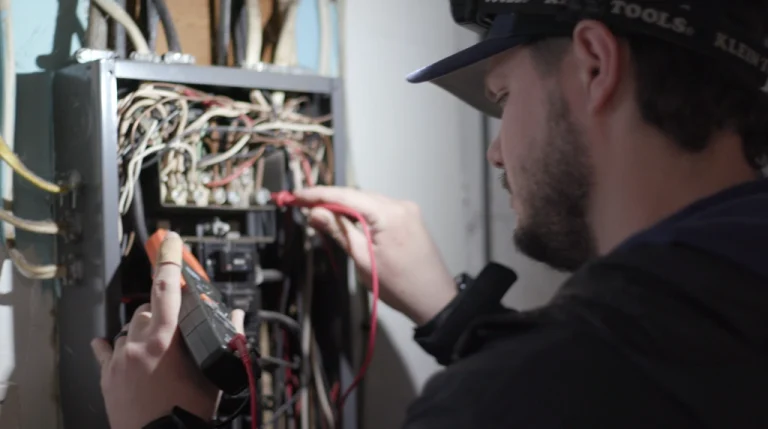
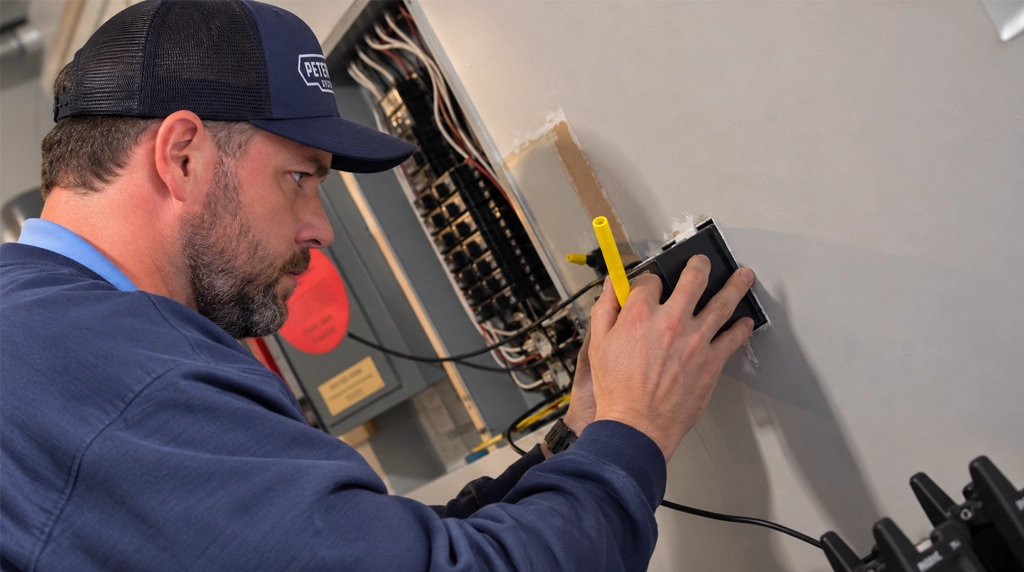
The main risk for whole-home surge protectors is incorrect installation. This kind of protector must be installed directly into your home’s main electrical panel. If it’s not installed properly, it might not work correctly when needed, leaving your devices unprotected. That’s why it’s best to have a licensed electrician install your whole-home surge protector to ensure it’s set up safely and correctly.
Whole Home Surge Protectors vs. Power Strip Protectors
Whole home surge protectors provide a higher level of security compared to power strip protectors. Installed at your home’s main electrical panel, they manage surges before they enter your home’s wiring, offering uniform protection to all appliances and electronics—not just those plugged into a strip. This integrated approach is especially beneficial for high-value and permanently installed items not connected to a movable power strip.
Whole Home Surge Protector Average Cost
Installing a whole home surge protector is an investment typically ranging from $100 to $500, depending on the device’s specifications and protective features. While the initial cost may seem high, the potential savings from avoiding the replacement of expensive electronics can make it a financially wise decision in the long run.
Can I Install a Whole Home Surge Protector Myself?
A professional should generally install a whole home surge protector. The process involves intricate electrical work that could pose safety risks if mishandled. An experienced electrician can ensure the surge protector is correctly integrated into your home’s electrical system, providing reliable protection and peace of mind.
What Are the Next Steps to Install a Whole Home Surge Protector?
- Evaluate Your Needs: Assess the frequency and severity of power surges in your area, along with the value of your electronic devices.
- Consult a Professional: Contact a licensed electrician for an installation quote and to discuss any specific requirements your home might have.
By following these steps, you ensure that your home and all its electronic components are shielded against the unpredictability of power surges, ultimately securing your home’s electronics and safety. If you have any further questions, feel free to contact us.