Your HVAC system may account for between 10% and 20% of your home’s energy consumption. Your utility bill may spike even higher when temperatures are at their peak. Fortunately, there are practical ways you can manage the power your equipment consumes. Read on to learn how to best use your A/C unit in the summer.
1. Manage Your Temperature Regulation
Reducing the temperatures during the hot and humid season can be tempting. However, lowering the settings to below 70 degrees Fahrenheit will use the same energy to cool the building.
A/C professionals recommend a setting of 78 degrees to balance your energy-saving needs and interior comfort. Depending on your preferences, you can raise the temperature by a few degrees.
You can raise the thermostat settings to about 80 degrees when you’re away on vacation or at work. You can also set different temperatures in the morning and night when you sleep. The best way to manage your A/C is to use a smart thermostat.
A smart thermostat can have as many as 30 different settings. Some devices can even learn your daily routine and adjust accordingly. They can generate reports on energy consumption, which can help you determine the problem with your air conditioner.
2. Prevent the Buildup of Ambient Heat
You can keep your rooms cool by managing ambient heat from atmospheric and indoor sources. Direct sunlight shining into the house can increase temperatures significantly. Close the curtains or use shades, especially when you’re away from home.
Appliances can generate heat, increasing the cooling load for your air conditioner. Dishwashers, washing machines, and water heaters generate significant amounts of heat. You can limit those activities in the afternoon when the temperatures peak.
Turning off unused electronics will save energy and reduce the load on your air conditioner. The semiconductors in household appliances are known to generate heat. The longer you keep the devices on, the higher your utility bills will be.
It’s also essential to keep the thermostat away from places near heat sources. The device will modify its readings, which will influence the performance of your air conditioner. The best location is a shaded area away from sunlight, cooking stoves, or electronics.
3. Address Airflow Problems
Your equipment may fail to function efficiently due to obstruction and airflow issues. A simple routine maintenance task like cleaning or replacing your filter can optimize its performance.
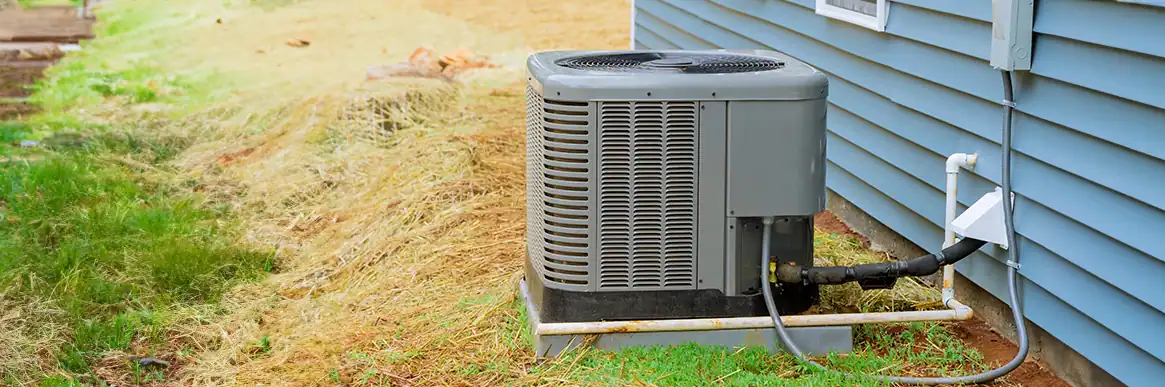
You should also clear obstructions around the outdoor unit. You can shade the unit to prevent the influence of heat from direct sunlight, but branches, leaves, and even rodents may get lodged in parts of your A/C.
Also, ensure the vents are open and free from dust and debris. You can vacuum the area around the vents to prevent airflow obstructions.
4. Consider Zoning to Boost Energy Efficiency
Rather than trying to control the registers, consider zoning for your home. Zones are independent areas that your A/C regulates separately. Zoning systems utilize multiple thermostats and air handlers for different rooms in the building.
You can implement a zoned system with dampers or a ductless mini-split system. A ductless system does not require ductwork to transfer heat energy across the building. It employs refrigerant conduits to move the refrigerant between the indoor and outdoor units.
Ductless mini-split systems are suited for additions or after a home remodel. It’s the best way to extend air conditioning to an extra room in your home.
You can save energy and manage cooling more efficiently across different rooms by using air handlers or zoning systems.
5. Check for Air Leaks and Address Insulation Problems
Sometimes the issue is not with your air conditioner but with the heat losses in the building. Insulation and air leaks can impact indoor comfort and force your A/C to overwork.
For example, the ductwork in your attic may be subject to temperature fluctuations. The insulation must be in the correct grade and suitable for the local weather. Crawlspaces need a material with an R-13 value for optimal temperature regulation.
Your ductwork can also develop cracks and holes due to temperature variability and moisture. Some inconsistencies can arise during installation. As a result of those faults, you could be losing 40% of your equipment’s energy output. A routine maintenance service can address leaks and clogs in your ductwork.
The best way to pinpoint spaces with insulation or air leaks is to schedule an energy audit. Skilled technicians can find problematic areas that need upgrading or sealing.
6. Boost Your A/C Efficiency by Using a Dehumidifier
One critical fact about your A/C’s cooling capacity concerning humidity is that our bodies cool through perspiration. When you sweat, evaporation absorbs energy, so your body temperature drops.
But when it’s hot and humid, the moisture diminishes the body’s ability to regulate temperatures. You may decide to turn up your thermostat, but that will only overwork your equipment. Therefore, managing humidity increases the performance of your A/C.
The ideal humidity levels are between 30% and 50%. In the Midwest, humidity can be as high as 60%. A dehumidifier can reduce utility bills and enhance indoor comfort in the muggy, sweltering summer. It can also prevent moisture damage to your furnishings and other valuables.
7. Observe Routine Maintenance of Your Equipment
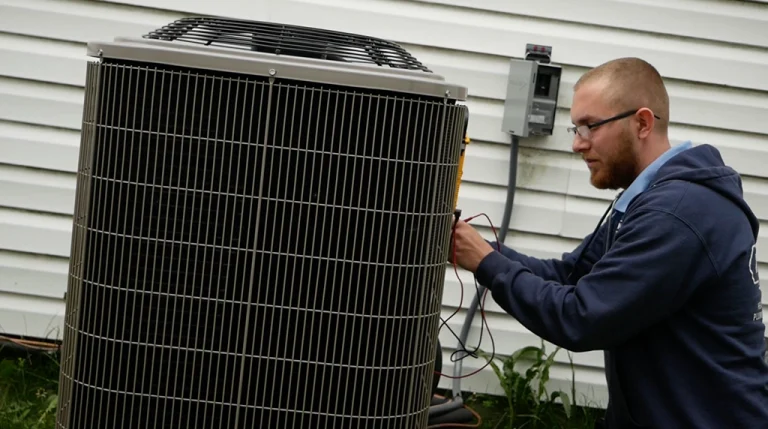
The best way to improve the efficiency of your cooling system is to observe routine maintenance. Repairs should be scheduled at least once a year. A busy household may schedule more tune-ups to reduce recurring issues with its A/C.
Organizing repairs as soon as you detect an issue is always advisable. But if you’re experiencing multiple faults, it’s a sign that your equipment has systemic problems.
Technicians can assess the faults and propose a lasting solution during the tune-up process. Neglecting necessary maintenance ensures a steady decline in air conditioning performance while energy use steadily increases.
Paying for the replacement of some components can be costly. You can also uphold the equipment’s warranty by scheduling routine tune-ups. That way, you won’t have to incur further expenses for parts. Many A/C maintenance programs offer discounts and guarantees.
Maintenance typically involves cleaning components, performing repairs, and refilling the refrigerant. Grime and dirt on parts such as the evaporator coil can diminish the system’s performance.
The tune-up service requires A/C professionals to ascertain that the system is in its best condition. Maintenance tasks reduce the risks of faults and extend the life of your equipment.
Contact Us
If you are looking to maximize your A/C unit’s efficiency and are in our area or just have more questions, you can contact us.