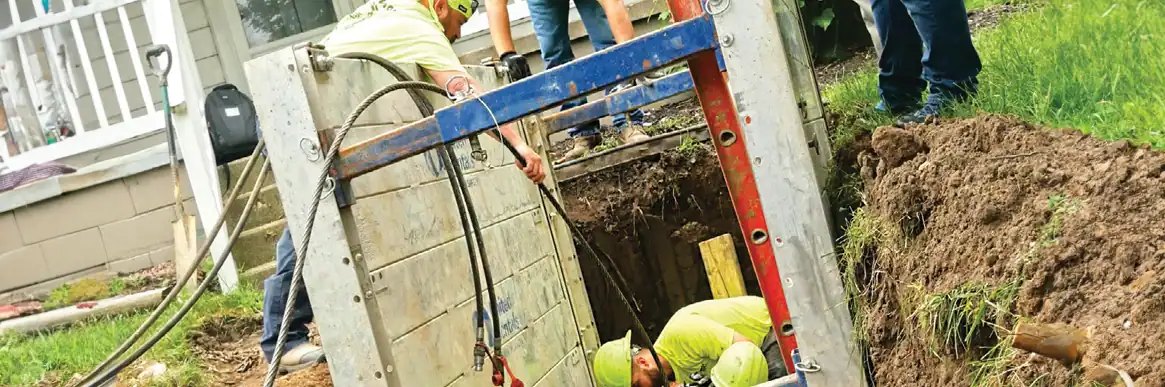
Sewer line excavation is crucial for maintaining or improving your home’s plumbing system. This guide provides valuable insights into preparing for sewer line excavation and understanding the ground settling process post-excavation. Whether you’re a homeowner, property manager, or DIY enthusiast, these tips will help you navigate the complexities of sewer line excavation.
Why is Sewer Line Excavation Important?
Sewer line excavation is often necessary to remove severe blockages, damaged pipes, root intrusions, or upgrade outdated sewer lines. Proper preparation and understanding of this process can prevent costly repairs and ensure the longevity of your plumbing system. This guide covers the essential steps to prepare for sewer line excavation. It addresses the common concern of ground settling time.
1. Remove Lawn Ornaments and Landscaping
Before starting sewer line excavation, clear the area of lawn ornaments, decorative stones, or valuable items. Removing these items prevents potential damage and ensures a smooth excavation process. Consult your excavation team for guidance if you’re unsure about specific items.
2. Understand Schedule Control
Project timelines can be influenced by necessary inspections, which may require adjustments. Be prepared for possible delays and ensure the excavation site is marked if left open overnight to maintain safety.
3. Communicate with Neighbors
If the excavation impacts shared spaces like fences, inform your neighbors about the potential need for fence removal and repairs. This will help maintain good relations and ensure everyone is prepared for the disruption.
4. Prepare for Landscaping and Yard Impact
Heavy machinery used during excavation can cause ruts and affect areas beyond the initial site. While efforts will be made to minimize damage, some impact on your yard is inevitable—plan for possible landscaping repairs post-excavation.
5. Expect Large Mound Formation
After backfilling the trench, a significant mound of dirt, approximately 6-7 feet tall, will form over the affected area. This mound is typical and will take about 6-9 months to settle naturally through rain and other conditions. Avoid premature removal to prevent soil erosion.
6. Plan for Fence Removal
In some cases, sections of fences may need to be removed to facilitate excavation. The fence can only be reinstalled after the mound has fully settled. Inform your neighbors if shared fences are involved to coordinate the process.
7. Consider Yard Restoration Packages
Some companies, like us, offer yard restoration packages, including leveling the mound and seeding the affected areas. These packages typically do not cover the restoration of trees, flowers, or decorative mulch. Plan for these additional landscaping repairs after the ground has settled.
8. Protect Indoor Work Areas
If the project involves indoor work, such as removing concrete, relocate belongings from the work area to protect them from dust and damage. Consult with your excavation team about sealing containment areas and consider hiring professionals.
8. Protect Indoor Work Areas
If the project involves indoor work, such as removing concrete, relocate belongings from the work area to protect them from dust and damage. Consult with your excavation team about sealing containment areas and consider hiring professionals.
9. Monitor the Settling Process
Typically, it takes about 6-9 months for the ground to settle naturally after sewer work. Factors like soil type and weather conditions can influence this process. Monitor the excavation site for signs of erosion or settling issues and consult professionals if problems arise.
10. Plan for Long-Term Yard Restoration
Once the ground has settled, plan for long-term landscaping repairs or enhancements. This is the time to replant shrubs, lay new sod, or add decorative elements to restore your yard to its original state.
Sewer line excavation is a complex but essential process for maintaining your home’s plumbing system. Following these tips and understanding what to expect can ensure a successful excavation project and minimize disruptions. Patience and proper planning are key to achieving a stable and aesthetically pleasing yard post-excavation.
Ready to tackle your sewer line excavation project? Contact a professional excavation service today for a consultation and ensure your project is handled with expertise and care. If you’re near us, feel free to reach out.