
Wildfire smoke from Canada is drifting into the Midwest again, leaving hazy skies and stretches of unhealthy air across the region.
Even though the fires may be hundreds or thousands of miles away, the smoke they produce can still foul the air outside your home, and some of it works its way indoors. You cannot control which way the wind blows, but you can take real steps to cut the smoke inside your home and protect the people who live there.
Why Is Wildfire Smoke Dangerous?
Wildfire smoke is a mixture of gases and microscopic particles. One of the biggest concerns is fine particulate matter known as PM2.5, particles small enough to travel deep into the lungs.
PM2.5The fine particle that drives most smoke health effects
MERV 13Minimum filter rating the EPA recommends for smoke
AQI 101+Where sensitive groups should start limiting exposure
Exposure can cause coughing, wheezing, headaches and more. Common symptoms include:
- Coughing or wheezing
- Eye, nose and throat irritation
- Headaches
- Chest tightness
- Shortness of breath
- Fatigue
Children, older adults, pregnant people and those with asthma, COPD, heart disease or other medical conditions may be more likely to feel these effects.
Check the Air Quality Before Going Outside
The Air Quality Index, usually called the AQI, gives you a quick read on current outdoor air. You can check your local number through AirNow or your preferred weather service. Air quality shifts throughout the day as wind direction and smoke concentrations change.
What the AQI Numbers Mean
Use the index, not just how the sky looks, to decide whether it is safe outside.
101–150 · Unhealthy for Sensitive Groups. Children, older adults and people with heart or lung conditions should cut back on prolonged outdoor activity.
151–200 · Unhealthy. Everyone may begin to feel effects and should consider limiting strenuous activity outdoors.
201 or higher · Very Unhealthy or Hazardous. Reduce outdoor exposure and follow local public-health guidance.
Even when the sky does not look especially smoky, fine particles may still be in the air. Trust the AQI over visibility alone.
9 Ways to Protect Your Home During a Smoke Event
Keep Windows and Doors Closed
Opening the windows on a cool day feels good, but it lets outdoor smoke pour in. During poor air quality:
- Keep windows and exterior doors closed
- Check for damaged weatherstripping around doors and windows
- Avoid repeatedly opening exterior doors
- Close fireplace dampers when the fireplace is not in use
- Limit ventilation systems that pull outdoor air inside
Sealing obvious leaks also makes your home more comfortable and eases the load on your heating and cooling system.
Set Your HVAC System to Recirculate
Most home systems already recirculate indoor air, but some include a fresh-air intake that brings outdoor air in. If yours has one, switch it to recirculation mode or close the outdoor-air intake during a smoke event. The recirculate setting in your vehicle helps when driving through smoky conditions too.
Do not block vents or change equipment unless you know how your system is set up. A professional can help identify whether your home has an outdoor-air intake.
Check and Upgrade Your HVAC Filter
Your furnace and central air conditioner generally share the same filter, and during a smoke event it can capture some of the fine particles moving through your home. Start by inspecting your current filter and replace it if it is visibly dirty or overdue.
For better particle filtration, the EPA recommends a MERV 13 filter, or the highest-efficiency filter your system can safely handle.
Before you jump ratings: higher-efficiency filters create more resistance to airflow. A filter your system was not designed for can hurt performance or strain the equipment. Check your manufacturer’s instructions or ask a professional before a big change in filter rating, and check the filter more often during heavy smoke.
Run the HVAC Fan More Often
Your filter only cleans the air while the blower fan is running. During a significant smoke event, moving the fan from Auto to On keeps indoor air passing through the filter even when the system is not actively cooling.
Continuous operation uses more electricity and should only be used when your filter and system are in good shape. Return the fan to its normal setting once air quality improves.
Create a Cleaner-Air Room
When outdoor air gets especially bad, pick one room to serve as a cleaner-air space. A bedroom or family room with few exterior doors or windows usually works well.
To set up the room:
- Keep its doors and windows closed
- Use a portable air cleaner sized for the room
- Keep smoke-producing activities out of the space
- Run your central HVAC with an appropriate filter when possible
- Spend more time there when outdoor air is at its worst
This is especially helpful for children, older adults and people with heart or lung conditions.
Use a Portable HEPA Air Cleaner
A portable air cleaner adds filtration in bedrooms, home offices and other rooms you use often. Look for a unit with:
- A true HEPA filter
- A Clean Air Delivery Rate suited to the room’s square footage
- Replacement filters that are easy to find
- No intentional ozone generation
Place it where furniture and curtains will not block airflow, keep the door and windows closed, and run it continuously at the highest comfortable setting. Portable units clean one room or area and are not a replacement for maintaining your central system.
Avoid Creating More Indoor Pollution
When outdoor smoke is already affecting your home, skip activities that add particles or irritants to the air. Try to limit:
- Smoking or vaping indoors
- Burning candles or incense
- Wood-burning fireplaces
- Frying, broiling or other high-smoke cooking
- Aerosol sprays
- Vacuuming without a HEPA-filtered vacuum
When practical, use lower-pollution cooking methods like a microwave, slow cooker or pressure cooker. Wiping and damp-mopping surfaces removes settled particles without stirring them back into the air.
Do Not Rely on UV Lights for Smoke Removal
Some whole-home air quality systems use UV light to target certain biological contaminants. But wildfire smoke is mainly a particle-filtration problem, and UV lights do not replace a high-efficiency HVAC filter or a portable HEPA cleaner when your goal is reducing smoke particles.
Skip ozone generators
Avoid air-cleaning products that intentionally generate ozone. Ozone can irritate the lungs and make indoor air quality worse, not better.
Limit Outdoor Exposure
When the AQI is elevated, cut back on strenuous outdoor activity and move exercise indoors when you can. If you must spend extended time outside in smoky conditions, a properly fitting NIOSH-approved N95 or P100 respirator can reduce how much fine particulate matter you breathe in.
The respirator has to fit tightly around your nose and mouth to work. People with respiratory or cardiovascular conditions should follow their healthcare provider’s advice.
Watch for Smoke-Related Symptoms
Pay attention to how you and your family feel during poor air quality. People with asthma, COPD or heart disease should keep medications on hand and follow their care plans, and contact a healthcare provider if symptoms become unusual or worsen.
When to get help right away
Seek immediate medical help for severe difficulty breathing, significant chest pain or other signs of a medical emergency.
Can Your HVAC System Remove All Wildfire Smoke?
No home HVAC system can guarantee completely smoke-free air. A well-chosen filter reduces airborne particles, but it may not remove every particle, odor or gas tied to wildfire smoke. The best results come from combining several strategies.
The layered approach that works best
- Keep outdoor smoke from getting in
- Recirculate indoor air
- Use the best HVAC filter your system can safely handle
- Add portable HEPA filtration where you need it
- Reduce other sources of indoor pollution
Frequently Asked Questions
What MERV filter is best for wildfire smoke?
The EPA recommends a MERV 13 filter, or the highest-efficiency filter your HVAC system can safely accommodate, to capture the fine PM2.5 particles in wildfire smoke. Because higher-rated filters restrict airflow more, confirm your system can handle the upgrade before switching. A professional can tell you the highest rating your equipment supports.
Should I set my thermostat fan to On or Auto during a smoke event?
During heavy smoke, set the fan to On so indoor air keeps moving through the filter even when the system is not actively heating or cooling. On Auto, the fan only runs during a heating or cooling cycle, so the filter cleans far less air. Return the fan to Auto once outdoor air quality improves.
Do I need a portable air purifier if I have central HVAC?
A central system with a good filter is your whole-home baseline, but a portable HEPA air cleaner adds extra filtration in the rooms you use most, like a bedroom. Choose a unit sized for the room, with a true HEPA filter and no ozone generation. Portable units clean one area and do not replace maintaining your central system.
Will a UV light remove wildfire smoke from my air?
No. UV lights are designed to target certain biological contaminants, not the fine particles that make up wildfire smoke. Smoke is a particle-filtration problem, so a high-efficiency HVAC filter and a portable HEPA cleaner are the right tools. Avoid any device that intentionally produces ozone, which can worsen indoor air quality.
How do I check the air quality where I live?
Check your local Air Quality Index (AQI) through AirNow or your preferred weather service. Air quality can change through the day as wind and smoke shift, so check more than once during an active smoke event, and rely on the number rather than how hazy the sky looks.
Let Peterman Brothers Help You Breathe Easier
Not sure your current filter is right for your system? Concerned about your home’s indoor air quality? Our team can inspect your system, confirm the filter ratings it can safely support, and walk you through whole-home indoor air quality solutions.
Explore Indoor Air Quality Services
Ready to talk it through? Contact Peterman Brothers today and let’s improve the air inside your home.
Why Choosing the Right Furnace Filter Matters
Effects on HVAC Performance, Efficiency & Energy Bills
Your furnace filter isn’t just a dust trap—it directly affects how well your HVAC system runs.
A clogged or incorrect filter can restrict airflow, causing your system to overwork and increasing energy use by up to 15%.
How Furnace Filters Impact Indoor Air Quality (IAQ)
Filters capture dust, dander, and allergens before they circulate through your home.
The better the filter, the fewer airborne irritants linger—especially important for allergy sufferers and households with pets.
Consequences of Using the Wrong Filter Type
Using the wrong size or an overly restrictive filter can damage your blower motor, decrease efficiency, and reduce your system’s lifespan.
Correct fit and rating are essential for both safety and performance.
Step-by-Step: How to Choose the Best Furnace Filter
Step 1: Find the Correct Filter Size
Where to Find Furnace Filter Size
Check the edge of your old filter—it typically lists the dimensions (e.g., 16×25×1).
No label? Measure the opening where the filter sits.
Why Exact Fit Matters
An ill-fitting filter leaves gaps that let dust bypass filtration.
Always match your system’s required size exactly to maintain airflow efficiency and protect internal components.
Step 2: Understand MERV Ratings (1–16+)
What MERV Ratings Mean
MERV (Minimum Efficiency Reporting Value) measures how well a filter captures particles:
- MERV 1–4: Basic protection
- MERV 5–8: Ideal for most homes
- MERV 9–12: Better for pets/allergies
- MERV 13+: Medical-grade—usually too restrictive for residential units
Best MERV Ratings by Home Type
Most homes perform best with MERV 8 or MERV 11 filters—strong enough to trap allergens, gentle enough on your system.
When High MERV Filters Cause HVAC Strain
Using a MERV 13+ filter in a standard furnace can reduce airflow and increase wear.
Unless your HVAC system is rated for it, avoid ultra-high MERVs.
Step 3: Avoid Overhyped or Problematic Filters
Scented, Reusable, and Gimmicky Filters to Skip
- “Odor-reducing” and “fragrance-infused” filters often mask issues rather than solve them.
- Washable filters can trap moisture, which can lead to mold.
- High-MERV filters may cause more harm than good.
Why Pleated Filters Are the Best Value
Pleated filters balance cost, performance, and durability.
They capture fine particles without reducing airflow, making them ideal for long-term system health.
What to Avoid
Don’t bend or force the filter. Avoid loose installs, which allow dust to bypass the filter entirely.
When to Replace Your Furnace Filter
Filter Lifespan by Thickness
- 1–2 inch filters: Replace every 1–3 months
- 3–4 inch filters: Every 6–9 months
- 5–6 inch filters: Every 9–12 months
Replacement Frequency for Pets, Allergies, and Heavy Use
If you have pets, allergy concerns, or high usage, change filters more often.
Monitor for visible dirt or reduced airflow.
Signs Your Filter Needs Replacing
- Dust around vents
- Higher energy bills
- A visibly gray or clogged filter
- Reduced airflow or strange furnace sounds
Make It Easy: Join a Furnace Filter Delivery Program
What Is the Filter Saver Club?
A subscription service that delivers the exact filter size and rating you need on a custom schedule.
Benefits of Scheduled Filter Delivery
- Healthier Air at Home
Reduce allergens like dust, pollen, pet dander, & mold spores. - Time-Saving Convenience
Delivered to your door. Choose the best frequency and filters for your home. - Most Competitive Pricing
Affordable options to find the perfect filters for your budget and lifestyle. - Preventive Maintenance
Clean filters help your HVAC system run its best and avoid early wear and tear.
How to Subscribe
Visit FilterSaverClub.com and enter your filter size and frequency.
Set it and forget it.
FAQ: Furnace Filter Tips You Won’t Find on the Label
What’s the difference between pleated and fiberglass filters?
Fiberglass filters are cheaper but less effective—they only trap larger particles, such as lint or hair.
Pleated filters use denser material to catch smaller allergens, dust, and even mold spores.
Can I vacuum and reuse a disposable filter in a pinch?
It’s not recommended. Vacuuming damages the filter media and compromises its integrity.
It may look cleaner, but it won’t trap fine particles effectively after being vacuumed.
Are HEPA filters good for furnaces?
HEPA filters offer excellent filtration but are generally not compatible with standard residential HVAC systems due to high airflow resistance.
Use only if your system supports HEPA explicitly or has a bypass unit.
Final Takeaway
Best Practices for Furnace Filter Maintenance
Choosing the right furnace filter—and replacing it on time—is one of the easiest ways to protect your HVAC system, lower energy bills, and improve your home’s air quality. If you have any questions or need help installing yours, feel free to reach out.
Long-Term Benefits for Your System and Wallet
Want to take the guesswork out of it?
The Filter Saver Club delivers your filters on time, every time—so your system (and lungs) can breathe easy.
If you are one of the 100 million people who suffer from allergies like dust mites, mold, and more who also own a ductless mini-split system, you should be aware that these units take extra care to keep your home’s air clean.
If you struggle with allergies, typical cleaning and maintenance on these might not be enough to keep you from grabbing Kleenexes daily.
This guide will show how ductless systems affect indoor air quality, how to keep them clean, and introduce you to Mini UV LEDs and how they can make a difference in your home.
Why Do Ductless Mini-Splits Require Special Attention for Indoor Air Quality?
How Mini-Splits Are Different
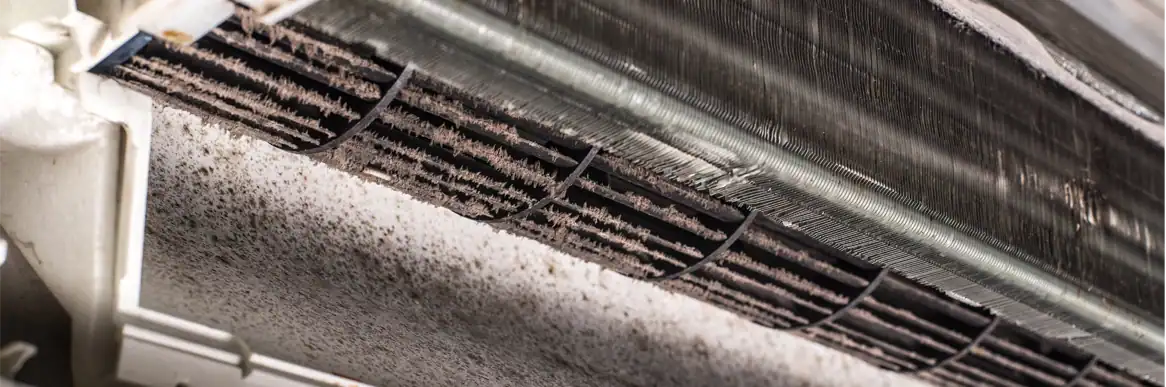
Ductless mini-splits don’t use ductwork to move air around your home. Instead, they condition and circulate air directly in the room they serve. This design avoids the dust and debris often found in ducts. However, it also means allergens like dust mite particles and mold spores can settle directly on the system’s filters and coils.
Low Static Pressure Makes IAQ Tricky
Their compact design is efficient but limits their ability to use specific filters. As David Rames from ACHR News Magazine explains:
“Due to ductless indoor units’ compact size and low static pressure tolerances, IAQ is a bit more complicated. Given the low static pressure, advanced MERV filters cannot be used.”
Allergens Can Build Up Quickly
Washable filters in mini-splits trap larger particles like dust. However, these filters are not fine enough to trap smaller allergens such as dust mite particles and mold spores. Over time, these allergens can build up on the coil or blower, especially in humid conditions.
Humidity Makes Allergies Worse
The condensation that can form on mini-split coils creates a damp environment. Dust mites thrive in humid conditions, and the condensation on mini-split coils creates a damp environment. This also encourages mold growth, which releases spores into the air.
Why Regular Mini-Split Maintenance Matters
Routine Maintenance Keeps Your Mini-Split Running Smoothly
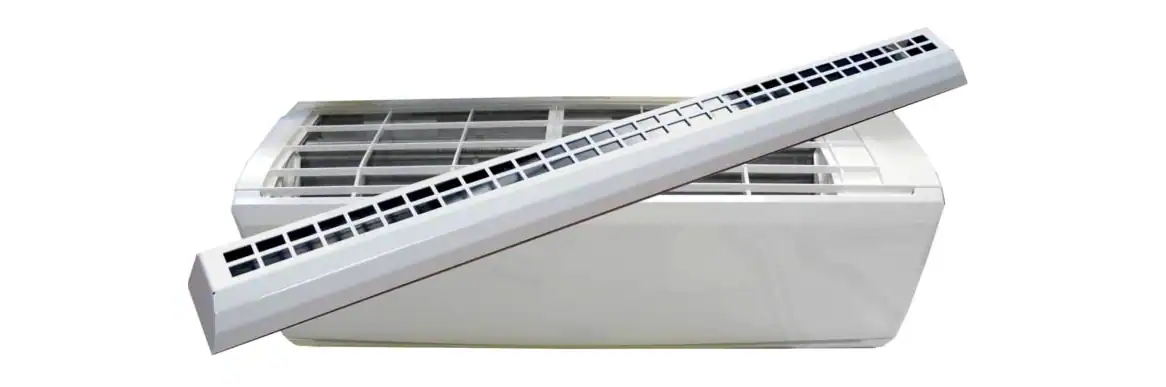
Regular cleaning and care are essential for any ductless mini-split system. Dust, debris, and moisture can build up quickly, affecting performance and contributing to poor indoor air quality. Proper maintenance ensures your system stays efficient and effective.
What Normal Maintenance Looks Like
Clean Washable Filters:
Mini-split filters trap larger particles like dust and should be cleaned every one to three months. Dirty filters reduce airflow and strain the system.
Wipe Down the Coils:
Dust and grime can accumulate on the indoor unit coils. Cleaning them prevents allergens from circulating through your home.
Clear the Outdoor Unit:
To keep proper airflow and efficient operation, the outdoor condenser should be free from leaves, dirt, and other debris.
Why Maintenance Matters for Air Quality
Without proper cleaning, allergens like dust mites and mold spores can accumulate in your system. Regular maintenance helps reduce these allergens but can’t eliminate them entirely.
Mini UV LEDs: A Game-Changer for Ductless Mini-Splits
Why Regular Maintenance Alone Isn’t Enough
For allergy sufferers, standard maintenance can only do so much. Dust mites, mold spores, and bacteria are microscopic and often bypass washable filters. Even with regular cleaning, allergens can still circulate in your home.
Enter Mini UV LED Technology
Mini UV LED lights provide an extra layer of protection that maintenance can’t. These lights are designed to target the allergens that filters and cleaning miss. They work inside your mini-split, neutralizing dust mites, mold, and bacteria at the source.
Kills Dust Mites:
UV light breaks down dust mite particles, reducing their presence in your air.
Prevents Mold Growth:
The lights prevent mold from growing on the coils or blower, even in humid conditions.
Improves Air Quality:
UV LEDs eliminate microscopic allergens, making your home healthier for allergy sufferers.
Combining regular maintenance with Mini UV LED technology can achieve cleaner air and a more efficient mini-split system.
An Allergy Sufferers Solution For Ductless Owners
If you’re tired of battling dust mites and other allergens in your home, it’s time to take action. Ductless mini-splits are great for comfort and efficiency, but keeping them clean is key to reducing allergens. That’s why we offer Mini UV LED lights, a technology designed specifically for mini-splits to improve your indoor air quality.
Let the Experts Handle It
Mini UV LEDs are a simple yet powerful solution for improving your home’s air. Our team can professionally install these lights to ensure they’re safely and correctly placed for maximum effectiveness.
Ready to Install Yours?
Don’t let dust mites and allergens control your home. Contact us today to learn more about Mini UV LED lights and how we can help you create a cleaner, healthier indoor environment.
Do you ever wake up with an itchy nose, watery eyes, and sneezing that won’t quit? Yeah, me too. If you’re anything like me, allergies are your worst enemy. You don’t even have to step outside to start sneezing—sometimes, it feels like your house is out to get you.
Allergies aren’t just a seasonal nuisance—they’re a year-round battle if your home isn’t set up to manage them. The good news is that practical, proven ways to manage them exist.
The Most Common Culprits Behind Your Allergies
When people think of allergens, they usually think of pollen outside. Still, the real troublemakers are typically right inside your home. Understanding these common indoor allergens is the first step in combating them.
Dust Mites: Where They Hide and How To Reduce Them
Dust mites are microscopic creatures that thrive in warm, humid environments, which makes your bed, carpets, and upholstered furniture their ideal habitats. These tiny pests are one of the most common triggers of allergies. They feed on the dead skin cells that we naturally shed, and their waste products are allergens that can cause symptoms such as sneezing, runny nose, itchy eyes, and even asthma attacks.
To give you an idea of how out-of-control dust mites can get: a typical used mattress can have anywhere from 100,000 to 10 million dust mites inside. And it’s not just your bed—carpets, curtains, and soft furnishings throughout your home can harbor them.
One of the best ways to reduce dust mites is to wash bedding weekly in hot water (at least 130°F) to kill them and their waste. Additionally, using dust-proof covers on mattresses and pillows can create a barrier between you and the mites.
Love Your Pets, Hate the Dander? Here’s How to Minimize Their Allergens
As much as we love our pets, they come with dander. Dander consists of tiny flecks of skin shed by cats, dogs, rodents, birds, and other animals with fur or feathers. These particles can float in the air for long periods and easily cling to surfaces.
Even if you’re not allergic to animals themselves, their dander can irritate your respiratory system, worsening symptoms for those with asthma or other breathing conditions. The proteins in pet saliva, urine, and feces can also contribute to allergic reactions.
Regular grooming and bathing can reduce the amount of dander pets shed. To minimize exposure, it is also a good idea to keep pets out of bedrooms and off furniture.
Mold Management for Healthier Living
Mold is a type of fungus that grows in damp, humid conditions. It can be found in any home area where moisture is present for an extended time. Mold reproduces by releasing spores into the air, which can be inhaled and cause allergic reactions in sensitive individuals.
Mold allergies can lead to symptoms such as coughing, wheezing, nasal congestion, and eye irritation. In more severe cases, exposure can trigger asthma attacks or lead to respiratory infections, especially in people with compromised immune systems.
Controlling moisture levels is important to prevent its growth. This means fixing leaks promptly, using exhaust fans in bathrooms and kitchens, and running a dehumidifier in damp areas like basements. Regular cleaning with mold-killing products can also help keep mold growth under control.
If you think you have a significant mold problem in your home, it’s crucial to contact a professional mold remediation service immediately to assess the situation.
Large-scale mold growth can pose serious health risks and requires specialized removal techniques to ensure it’s safely and thoroughly eliminated.
Shield Your Home from Pollen
Pollen from trees, grasses, and weeds can trigger sneezing, runny nose, itchy eyes, and throat irritation. Pollen can easily travel into your home in clothes, shoes, or even through open windows and doors. Once inside, it can settle on surfaces and even circulate through your HVAC system, prolonging symptoms.
To minimize indoor pollen, change your clothes and shower after spending time outdoors, keep windows closed during high pollen seasons, and regularly clean floors and surfaces where pollen may settle.
First Steps to Reduce Indoor Allergens
Now that you know what you’re up against, let’s discuss reducing these allergens and creating a more comfortable living environment. These strategies aren’t just about making your home cleaner—they’re about improving your air.
Effective Cleaning Habits to Keep Allergies at Bay
Vacuuming and dusting are essential in maintaining a clean home. Still, they’re only effective if you’re using the right tools. Regular vacuums can stir up dust and allergens, sending them back into the air you breathe. A vacuum with a HEPA (High-Efficiency Particulate Air) filter is essential.
This level of filtration is especially important for allergy sufferers because it prevents the allergens from being recirculated into the air during cleaning.
When dusting, use a damp or microfiber cloth to capture dust rather than spreading it around. Also, remember to clean areas that often go overlooked, such as ceiling fans, light fixtures, and behind furniture—dust and allergens love to accumulate in these hidden spots.
Wearing a mask can also help reduce inhalation of the allergens that may get stirred up while cleaning.
Humidity Control: An Often Overlooked Powerhouse in Reducing Allergens
Humidity levels play an important role in allergens in your home. Too much humidity can lead to mold growth, while too little can cause dust mites to thrive.
A whole-home humidifier and dehumidifier can help maintain optimal humidity levels. During the winter months, when indoor air tends to be dry, a humidifier adds moisture to the air, making it more comfortable to breathe and reducing the likelihood of dry skin and irritated nasal passages.
Conversely, when humidity levels can spike during the warmer months, a dehumidifier removes excess moisture from the air, immensely reducing mold growth and dust mite populations.
By keeping your home’s humidity levels between 30% and 50%, you create an environment that’s less conducive to allergens and more comfortable for you and your family.
Healthy HVAC System = Heathier Indoor Air
If you’re serious about controlling allergens in your home, your HVAC system must be up to the task. Your heating, ventilation, and air conditioning system is the lungs of your home, and keeping it well-maintained is critical to managing air quality.
Clean Air Starts with Regular Filter Changes
Your filters trap dust, pollen, dander, and other particles as air circulates through your system. However, if they’re too dirty or clogged, they won’t filter as well and cause strain on your system, making it run harder than it should have to.
Standard filters should be changed every 1 to 3 months, depending on usage and the presence of pets or allergy sufferers. It’s also a good idea to make sure your home is using a HEPA-quality filter.
HEPA filters are designed to capture 99.97% of particles as small as 0.3 microns, making them the gold standard in air filtration.
Are Allergens Hiding in Your Ducts?
Your HVAC ducts are also important in maintaining your home’s air quality. Over time, dust, dirt, mold spores, and other allergens can gather in the ductwork, which can then be circulated throughout your home every time your system runs.
Regular duct cleanings are vital to remove these hidden allergens. By clearing out the buildup, you not only improve the efficiency of your HVAC system but can also greatly reduce the amount of allergens that can circulate through your home.
The Best in Whole Home Air Purifying Systems
If one tool in an allergy-fighting arsenal stands out, it’s the Reme Halo® air purifier. Installed directly into your HVAC system, it’s more than a conventional ultraviolet lamp filter because it actively improves the air quality in your home. Most air purification systems need to be more active or effective at meaningfully reducing pollutants.
How the Reme Halo® Works
Unlike standalone units that rely solely on air passing through them to destroy particles with its ultraviolet light, the Halo® creates ionized Hydrogen Peroxide molecules and sends them throughout your home. These molecules seek out and neutralize airborne contaminants, including allergens, bacteria, viruses, and even odors, wherever they are in your home.
The ionized particles attach themselves to dust, dander, and other airborne particles, making them larger and easier for your HVAC filters to capture. This process dramatically reduces the number of allergens in the air and improves the overall efficiency of your HVAC system. Studies have shown that the Reme Halo® can reduce airborne bacteria, viruses, and mold by up to 99%.
It also helps homeowners with pets manage pet odors and dander, making it easier to maintain a fresh-smelling and allergen-free environment.
Taking Charge of Your Allergies
Implementing the plans and solutions we’ve discussed—regular cleaning with HEPA filters, maintaining balanced humidity, using high-efficiency HVAC filters, and investing in advanced technologies like the Reme Halo —can make a huge difference.
Work with a trusted HVAC professional to assess your home’s air quality and identify areas for improvement. Then, develop a plan that meets your specific needs and budget.
With over 30 years of experience in the HVAC industry, our family has seen firsthand how these solutions can transform a home’s air quality and improve the lives of those living there. Whether you need advice on upgrading your HVAC system, installing a Reme Halo, or exploring other options, we’re here to guide you.
Let’s make your home the comfortable, allergen-free space it should be.