
Picking the right HVAC size is key for comfort, humidity, energy use, and how long your system will last. This guide explains what sizing means, what affects it, and how to find the right answer for your home.
Key Takeaways
- HVAC size = capacity. For AC and heat pumps, capacity is often shown in tons, and 1 ton = 12,000 BTU/hr of cooling.
- Charts based on square footage are just a starting point. Insulation, windows, ceiling height, layout, and climate can all make a big difference.
- Manual J is the best method. It’s the ANSI-recognized way to figure out how much heating and cooling a home needs.
- Ductwork matters for comfort. Even if your equipment is the right size, it won’t feel right if the ducts can’t move enough air. Manual D is the standard for duct design.
- Bigger isn’t always better. If a system is too large, it can turn on and off too often, which makes comfort and humidity control worse.
What “HVAC Size” Really Means
When HVAC companies mention “size,” they’re talking about how much heating or cooling the system provides, not how big the unit is.
- 1 ton = 12,000 BTU/hr
- BTU = British Thermal Unit (a unit of heat)
- BTU/hr = how much heat the system can add/remove in an hour
- Tons (cooling) = another way to express cooling capacity
So a “3-ton AC” is roughly 36,000 BTU/hr of cooling capacity.
Why Sizing Matters More Than You Think
A properly sized system does more than just reach the set temperature. It helps your whole home feel comfortable and consistent in every room.
If the System Is Too Large
Oversized systems often cool the area near the thermostat quickly and then shut off, only to start up again soon after. This is called short cycling and it can:
- Create temperature swings
- Increase wear from frequent starts/stops
- Lead to higher humidity because the system may not run long enough to adequately remove moisture from the air
If the System Is Too Small
Undersized systems can:
- Run for long stretches on extreme weather days
- Struggle to reach the set temperature
- Leave certain rooms behind, especially in multi-story homes
What Determines the HVAC Size Your Home Needs
Square footage matters, but it’s only one piece. A home’s “load” (how much heating and cooling it needs) is affected by:
- Ceiling height and layout (vaulted ceilings, open staircases, two-story designs)
- Insulation and air leakage (drafty homes need more capacity; tighter homes need less)
- Windows (size, efficiency, and direction they face)
- Sun exposure and shade (attic heat, roof exposure, tree coverage)
- Local climate (design temperatures and humidity)
That’s why two homes with the same square footage can actually need different HVAC sizes.
BTU and Ton Estimates by Square Footage
A lot of people start by looking for a “tons per square foot” answer. This can give you a rough idea, but it shouldn’t be your final choice.
A common rule of thumb for cooling is about 20 to 25 BTU per square foot, but you should adjust this based on your home’s construction and layout.
Cooling Size Ranges (Starting Points)
| Square Feet | BTU Range | System Tonnage |
|---|---|---|
| 1,200 | 24,000–30,000 | 2.0–2.5 |
| 1,600 | 32,000–40,000 | 2.5–3.5 |
| 2,000 | 40,000–50,000 | 3.5–4.0 |
| 2,400 | 48,000–60,000 | 4.0–5.0 |
What Makes You Need More or Less Cooling?
You’ll often fall toward the higher end if your home has:
- High ceilings
- Lots of west-facing glass
- Weak insulation or noticeable drafts
You’ll often fall toward the lower end if your home has:
- Strong insulation and good air sealing
- Efficient windows and good shade
The Pro Way To Size Hvac Equipment
The most reliable way to find the right size is to use a process that removes the guesswork.
Manual J (Load Calculation)
A Manual J calculation measures your home’s heating and cooling load. ACCA notes it’s the national ANSI-recognized standard for producing residential sizing loads.
Manual J Looks At:
- Insulation levels
- Window types and orientation
- Air leakage
- Square footage and ceiling height
- Local climate data
- Internal heat gains (people, appliances, lighting)
Manual S (Equipment Selection)
After the load is known, Manual S is used to select equipment that matches the calculated load properly.
Manual D (Duct Design)
If a home uses ductwork, Manual D addresses duct sizing and design so the right airflow reaches each room. This is important because problems with airflow can make a system that’s the right size still feel uncomfortable.
What To Ask an HVAC Contractor
If you want to feel sure about your purchase, ask these questions to make sure the process is done right:
- Will you run a Manual J load calculation for my home?
- Can you show me the heating and cooling load results?
- How are you matching equipment to those results (Manual S)?
- Are you evaluating duct sizing or airflow (Manual D / airflow testing)?
- If you recommend upsizing, what changed and why?
A good contractor should be able to clearly explain why they recommend a certain size.
HVAC Sizing FAQ:
- Is a bigger system always better?
No. Oversized systems can short-cycle, which hurts comfort and can reduce humidity removal. - Can I size an AC unit by square footage alone?
You can estimate a range, but the most accurate sizing comes from Manual J. - Do high ceilings change what size HVAC unit I need?
Often yes. Higher ceilings increase air volume and can affect airflow patterns. - If my ducts are leaky, should I just buy a bigger unit?
Usually no. Duct issues can waste comfort and energy. Fixing airflow and duct problems often solves the real issue better than upsizing.
Bonus Tips Homeowners Can Miss:
- Ductwork can be the bottleneck. A system can be the right size, but if ducts are too small, leaky, poorly designed, or poorly insulated, it still won’t heat/cool well or efficiently—this is a common issue in many homes.
- Don’t assume “replace it with the same size.” Home improvements (windows, insulation, air sealing) and remodels can change what your home needs.
- Additions change the math. Finished basements, converted attics, sunrooms, and garage conversions often require a load recalibration (and sometimes updated ductwork) before selecting equipment.
Next Steps
If you need help choosing the right size, or if you already know what system you want and just need expert advice on the details, our team is here for you. We’ll visit your home, talk about your comfort goals, and use proven sizing methods like a Manual J load calculation to find the best fit. When you’re ready, contact us to set up an assessment and get clear, data-backed answers for your home
If you are one of the 100 million people who suffer from allergies like dust mites, mold, and more who also own a ductless mini-split system, you should be aware that these units take extra care to keep your home’s air clean.
If you struggle with allergies, typical cleaning and maintenance on these might not be enough to keep you from grabbing Kleenexes daily.
This guide will show how ductless systems affect indoor air quality, how to keep them clean, and introduce you to Mini UV LEDs and how they can make a difference in your home.
Why Do Ductless Mini-Splits Require Special Attention for Indoor Air Quality?
How Mini-Splits Are Different
Ductless mini-splits don’t use ductwork to move air around your home. Instead, they condition and circulate air directly in the room they serve. This design avoids the dust and debris often found in ducts. However, it also means allergens like dust mite particles and mold spores can settle directly on the system’s filters and coils.
Low Static Pressure Makes IAQ Tricky
Their compact design is efficient but limits their ability to use specific filters. As David Rames from ACHR News Magazine explains:
“Due to ductless indoor units’ compact size and low static pressure tolerances, IAQ is a bit more complicated. Given the low static pressure, advanced MERV filters cannot be used.”
Allergens Can Build Up Quickly
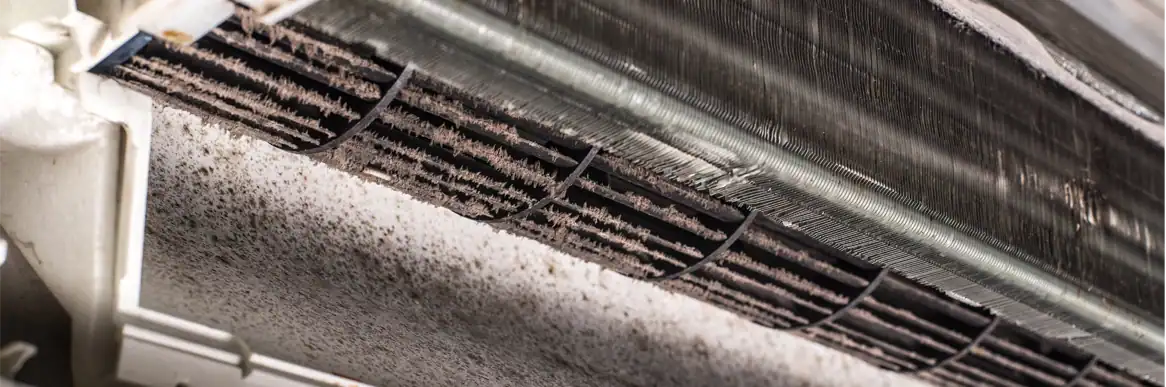
Washable filters in mini-splits trap larger particles like dust. However, these filters are not fine enough to trap smaller allergens such as dust mite particles and mold spores. Over time, these allergens can build up on the coil or blower, especially in humid conditions.
Humidity Makes Allergies Worse
The condensation that can form on mini-split coils creates a damp environment. Dust mites thrive in humid conditions, and the condensation on mini-split coils creates a damp environment. This also encourages mold growth, which releases spores into the air.
Why Regular Mini-Split Maintenance Matters
Routine Maintenance Keeps Your Mini-Split Running Smoothly
Regular cleaning and care are essential for any ductless mini-split system. Dust, debris, and moisture can build up quickly, affecting performance and contributing to poor indoor air quality. Proper maintenance ensures your system stays efficient and effective.
What Normal Maintenance Looks Like
Clean Washable Filters:
Mini-split filters trap larger particles like dust and should be cleaned every one to three months. Dirty filters reduce airflow and strain the system.
Wipe Down the Coils:
Dust and grime can accumulate on the indoor unit coils. Cleaning them prevents allergens from circulating through your home.
Clear the Outdoor Unit:
To keep proper airflow and efficient operation, the outdoor condenser should be free from leaves, dirt, and other debris.
Why Maintenance Matters for Air Quality
Without proper cleaning, allergens like dust mites and mold spores can accumulate in your system. Regular maintenance helps reduce these allergens but can’t eliminate them entirely.
Mini UV LEDs: A Game-Changer for Ductless Mini-Splits
Why Regular Maintenance Alone Isn’t Enough
For allergy sufferers, standard maintenance can only do so much. Dust mites, mold spores, and bacteria are microscopic and often bypass washable filters. Even with regular cleaning, allergens can still circulate in your home.
Enter Mini UV LED Technology
Mini UV LED lights provide an extra layer of protection that maintenance can’t. These lights are designed to target the allergens that filters and cleaning miss. They work inside your mini-split, neutralizing dust mites, mold, and bacteria at the source.
Kills Dust Mites:
UV light breaks down dust mite particles, reducing their presence in your air.
Prevents Mold Growth:
The lights prevent mold from growing on the coils or blower, even in humid conditions.
Improves Air Quality:
UV LEDs eliminate microscopic allergens, making your home healthier for allergy sufferers.
Combining regular maintenance with Mini UV LED technology can achieve cleaner air and a more efficient mini-split system.
An Allergy Sufferers Solution For Ductless Owners
If you’re tired of battling dust mites and other allergens in your home, it’s time to take action. Ductless mini-splits are great for comfort and efficiency, but keeping them clean is key to reducing allergens. That’s why we offer Mini UV LED lights, a technology designed specifically for mini-splits to improve your indoor air quality.
Let the Experts Handle It
Mini UV LEDs are a simple yet powerful solution for improving your home’s air. Our team can professionally install these lights to ensure they’re safely and correctly placed for maximum effectiveness.
Ready to Install Yours?
Don’t let dust mites and allergens control your home. Contact us today to learn more about Mini UV LED lights and how we can help you create a cleaner, healthier indoor environment.
Mini-Splits Explained: Costs, Benefits, and Use Cases
If you’ve never heard of mini-splits before, don’t worry—you’re not alone. They’re one of the smartest, most efficient heating and cooling systems you can install. Whether you’re struggling with uneven temperatures or looking to save on energy costs, a mini-split system could be your new best friend.
Let’s break it down together, starting with the basics.
What Are Mini-Splits?
At their core, Mini-Splits (also called ductless Mini-Splits) are heating and cooling systems that don’t rely on traditional ductwork to move air through your home. Think of them as the modern cousin of your old furnace or central AC—sleek, efficient, and easy to install.
A typical mini-split system has two main parts:
1-The Indoor Unit:
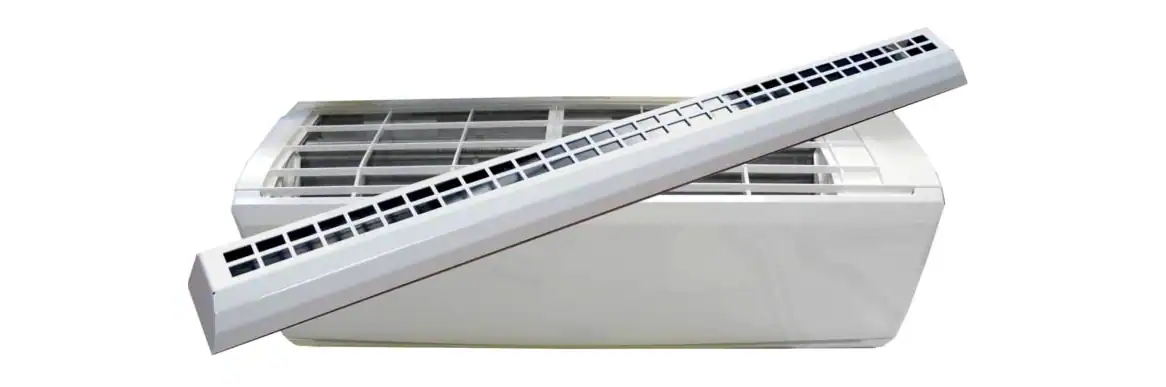
This is the part you see mounted on a wall or ceiling. It distributes warm or cool air into the room.
2-The Outdoor Unit:
Installed outside your home, it houses the compressor and condenser.
A small conduit connects these units, carrying power, refrigerant, and drainage lines. It’s a neat, compact solution that skips all the bulky ductwork.
How Do Mini-Splits Work?
Mini-splits use the same basic principles as traditional air conditioners or heat pumps. They transfer heat instead of generating it, making them incredibly efficient. Here’s a simple breakdown:
In cooling mode, the outdoor unit pulls heat from inside your home and releases it outside.
In heating mode, the process reverses. The system pulls heat from outside (even in cold weather!) and pumps it indoors.
It’s like magic but backed by solid science.
Why Do People Love Mini-Splits?
Why all the hype though? Mini-splits solve a surprising number of problems that traditional HVAC systems can’t.
Zoning Comfort
Ever notice how some rooms in your house are too hot while others feel like Antarctica? Mini-splits let you control the temperature of individual rooms or zones. That means you can keep the living room cozy without wasting energy on the guest bedroom nobody’s using.
No Ducts, No Problem
We get it, ductwork can be a pain. It’s expensive to install, prone to leaks, and takes up a ton of space. Mini-splits bypass all of that. A ductless system is a game-changer if you’re renovating an older home or adding to your house.
Energy Efficiency
Mini-Splits are incredibly efficient. According to the Department of Energy, they can cut heating costs by up to 60% compared to traditional systems. Why? No duct losses and smart zoning.
Quiet Operation
You’ll appreciate this if you’ve ever been jolted awake by a noisy HVAC system. Mini-splits are whisper-quiet—indoors and out.
Heating AND Cooling
Need heat in the winter and AC in the summer? Mini-splits do both. It’s a one-stop shop for year-round comfort.
Use Cases: Where Do Mini-Splits Work Best?
While they’re versatile enough for almost any home, in these scenarios, they are king.
Room Additions or Renovations
Adding a sunroom, garage, or home office? Mini-splits are perfect for heating and cooling spaces that are not connected to your existing HVAC system.
Older Homes
Got an old house with no ductwork? Mini-splits let you enjoy modern climate control without tearing up walls or ceilings.
Uneven Temperatures
If you’re battling hot upstairs bedrooms or a chilly basement, mini-splits can fix those pesky hot and cold spots.
Energy-Conscious Homeowners
A mini-split is an eco-friendly choice to lower your carbon footprint (and energy bills).
Are Mini-Splits Right for Your Whole House?
Can mini-splits replace your entire HVAC system? The answer is, “It depends.”
As a Supplement
Mini-splits work great alongside traditional systems. If you’re only struggling with a few problem areas, adding a mini-split can save you from overhauling your entire HVAC setup.
As a Standalone System
Yes, you can use mini-splits as your main heating and cooling system—mostly in smaller homes or open-concept spaces. Just remember, larger homes might need multiple units for full coverage.
The Cost of Mini-Splits: Worth the Investment?
Mini-splits aren’t the cheapest option upfront but are a solid investment.
Initial Mini-Split Installation Costs
On average, installing a single-zone mini-split costs between $2,000 and $8,000. Depending on how many indoor units you need, multi-zone systems (for larger homes) can cost more.
Operating Costs
This is where mini-splits shine. They’re far more energy-efficient than traditional systems, which means lower utility bills. Plus, many models qualify for tax credits or rebates, which can offset the initial cost.
Maintenance
Mini-splits are really low-maintenance. Regular filter cleaning and occasional professional servicing keep them running smoothly.
Mini-Splits vs. Traditional Systems: How Do They Stack Up?
Here’s a quick comparison to help you decide.
Feature |
Mini-Splits |
Traditional HVAC Systems |
| Installation | Quick and ductless | Requires extensive ductwork |
| Energy Efficiency | High (especially for zoning) | Moderate |
| Noise Levels | Quiet | Can be noisy |
| Cost | $2,000 to $14,000+ | $5,000 to $20,000+ |
| Aesthetics | Visible indoor units | Hidden ducts and vents |
Common Questions About Mini-Splits
Let’s tackle some FAQs.
Do Mini-Splits Work in Colder Climates?
Absolutely. Modern mini-splits can operate efficiently even when outdoor temperatures drop below freezing. Some models are rated for temperatures as low as -13°F.
Are Mini-Splits Hard to Maintain?
Not at all. Cleaning the filters every month or two and scheduling professional maintenance once a year is usually enough.
Can I Install a Mini-Split Myself?
While it’s possible, professional installation is highly recommended. Improper setup can affect performance and void your warranty.
Now That You’re Informed Are Mini-Splits Still Right for You?
Mini-Splits aren’t for everyone, but they’re a nice solution for many homeowners. Whether you’re looking to tackle uneven temperatures, reduce your energy bills, or upgrade your home’s comfort, mini-splits deliver.
If you’re still on the fence, why not get a professional consultation? Most HVAC companies, including us, offer free estimates and can help you decide if a mini-split system is the right fit for your home.
In the end, it’s all about finding what works best for you and your family. After all, home is where the comfort is.